
Alabama Arrest Log Layers
No single Alabama system gathers every county booking record. Each county sheriff or jail decides what to publish. Some offer a date-range roster. Some post a weekly booking page. Others keep an intake and release archive, and sheriffs release only selected arrests. The Alabama Law Enforcement Agency Highway Patrol publishes enforcement news, not a daily arrest log, while Alabama newsrooms add selected case reports.
Know which type you are reading. A county arrest-log query reflects an actual booking record. A sheriff release is selective. A news story is not a booking record at all. A current roster may drop someone who was released even though the booking record stands, and court files answer a different question entirely. So label each Alabama arrest log as jail ledger, sheriff release, or newsroom story before you compare results.
County Arrest Windows in Alabama
Every Alabama county sets its own date window. A longer result may be a booking search, a press archive, or a monthly report. Read the labels closely. A 72-hour result is not a same-day arrest log.
| Official source | Published window or record | How to read it |
|---|---|---|
| Talladega County, Alabama booking search | Seven days or custom range up to 31 days | Admit-date search; separate 24-hour option. |
| Perry County, Alabama jail portal | 72 hours | A short booking archive, not a 24-hour list. |
| Washington County, Alabama booking page | Weekly booking, per page title | URL says “24-hour”; content says “Weekly Booking.” |
| Shelby County, Alabama Archive Center | Monthly intake and release reports | Archive reports, not a live roster of every older intake. |
| Morgan County, Alabama Sheriff press archive | Dated arrest reports | Selected press coverage, not every booking. |
DeKalb County, Alabama Sheriff releases and the Cherokee County, Alabama arrest-file tag are selective, not jail ledgers. WEIS hosts the Cherokee tag as news coverage rather than a sheriff roster. Vendor filters may reach past a headline window. Even so, each county controls what appears.
Photo display varies across Alabama booking systems. A multi-day arrest search does not promise a mugshot. A missing image does not mean no booking occurred. Some Alabama log windows list bookings while others list releases.
Note: Alabama county web systems vary in range, release handling, and archive depth, so compare each page's own labels before combining results.
What Alabama Arrest Logs Record
A blotter can show several dates. Booking marks intake; release marks a later custody change. Web publication and press-release dates only show when a source posted an item, not when the arrest happened. Read the field label.
| Date or field | What it means | Why it matters |
|---|---|---|
| Booked date | Date of jail intake. | May follow the arrest. |
| Release date | Later custody change. | The person may leave the live roster while the booking record remains. |
| Published date | When a page or row appeared. | May lag the event. |
| Press-release date | When the agency issued its summary. | Does not cover every booking. |
Alabama counties share no common field set. A roster may show current inmates or date-filtered admits. A press note can omit booking and release details. A booking record may show intake but leave out its publication time. Keep the source type beside each result you copy.
If a date is unclear, ask the sheriff or jail. Arrest marks the police event. Booking marks intake. A booking record may never show when its web page went live.
Alabama Highway Patrol Reports
The Alabama Law Enforcement Agency Highway Patrol posts enforcement and public-safety news. It does not run an arrest log for every county. A trooper's arrest is booked into the receiving county jail. That sheriff or jail holds the booking record.
ALEA releases describe selected events. County booking records hold the intake trail. Agency releases group arrests by date, while county systems organize bookings, releases, and custody. These arrest records are separate series. Track them apart.
Alabama News Blotter Limits
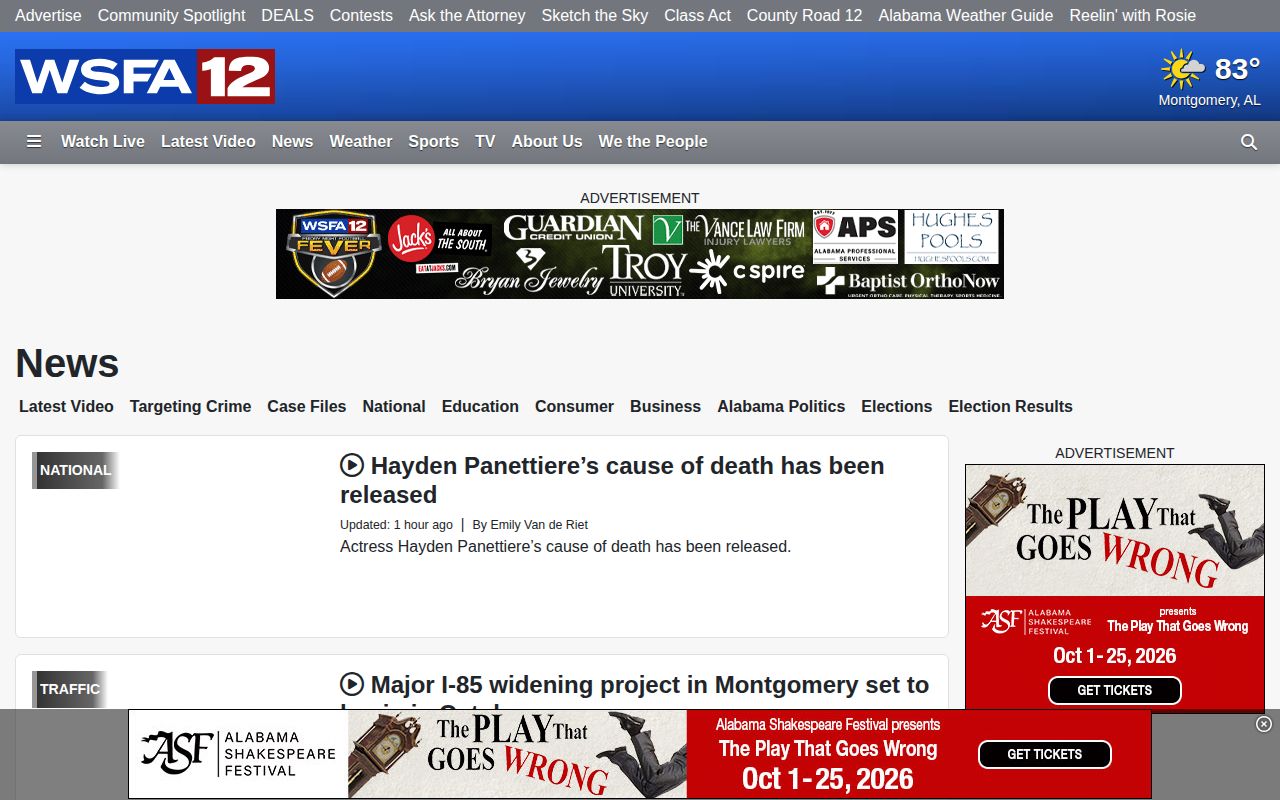
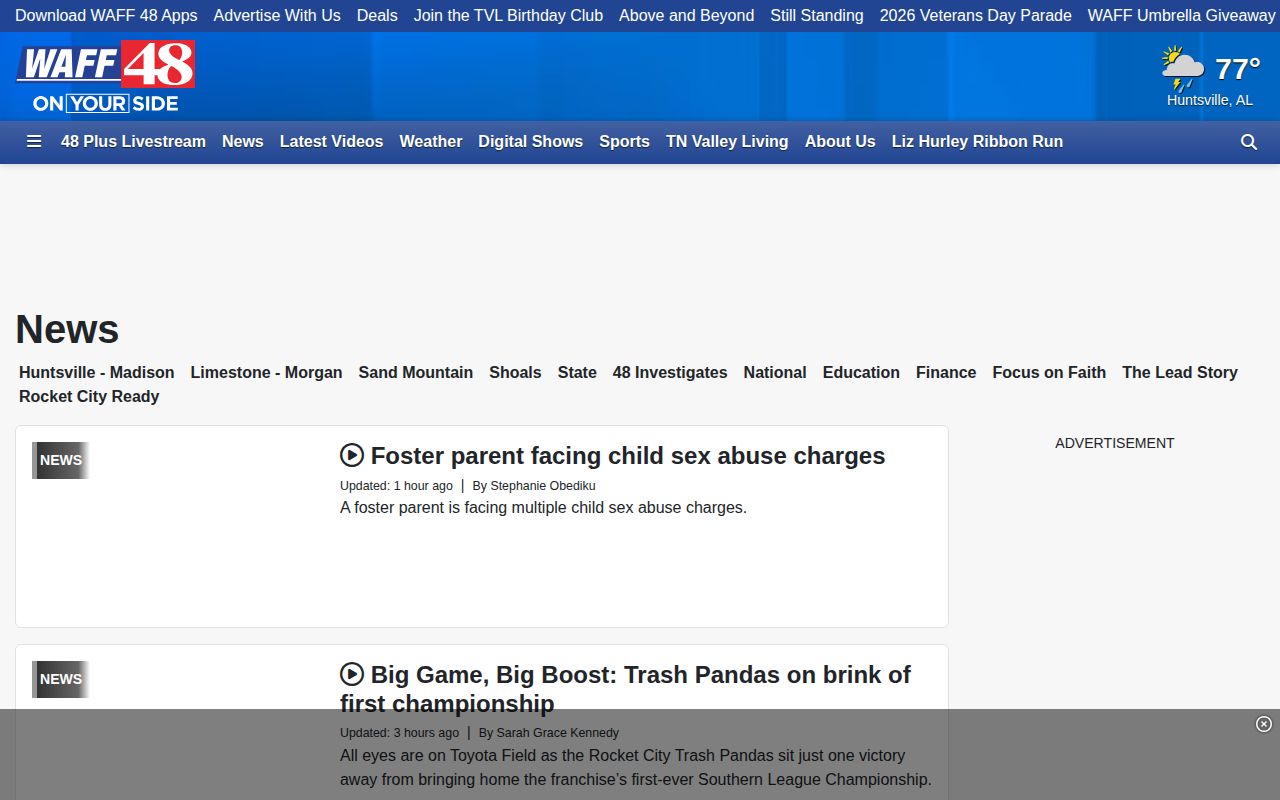
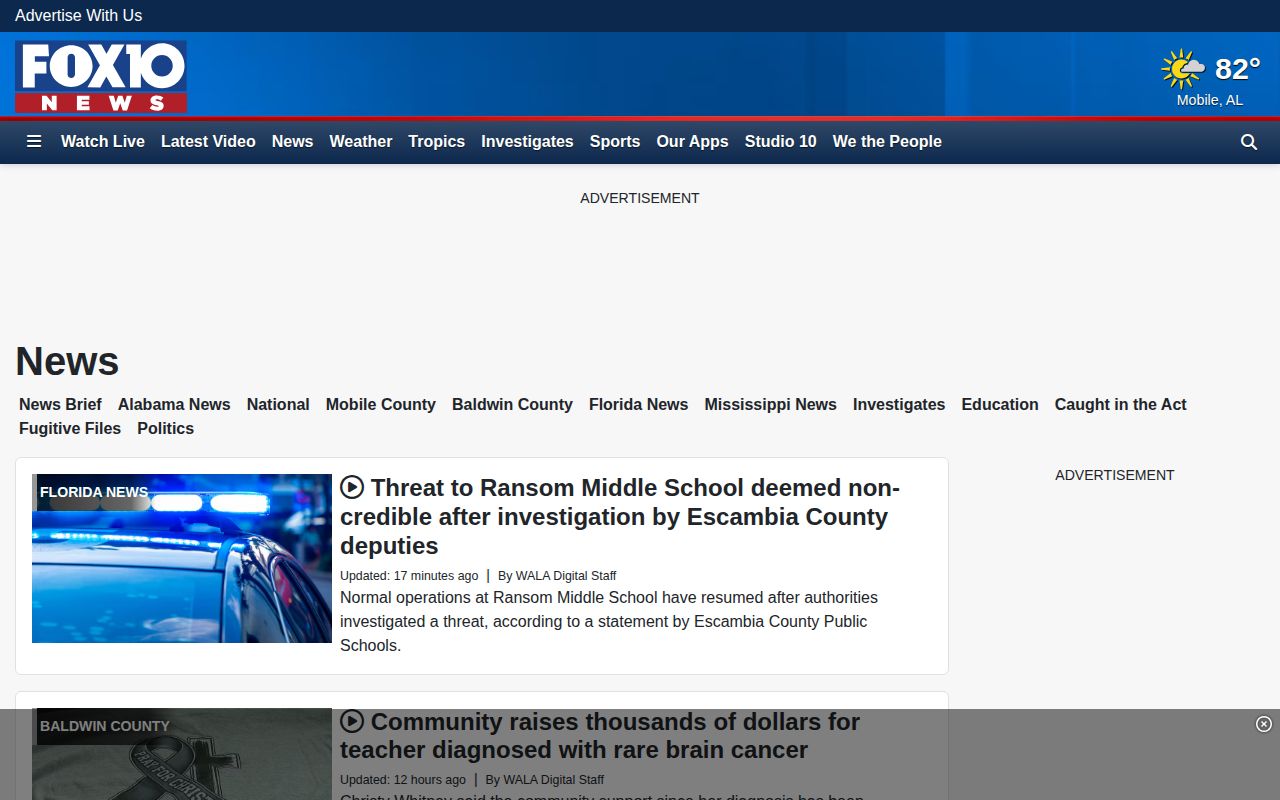
Alabama newsrooms report selected arrests, court actions, and public-safety events. They are not booking custodians. WSFA 12 covers Montgomery and central Alabama, while WAFF 48 serves north Alabama. ABC 33/40 covers central Alabama. FOX10 serves Mobile and the Gulf Coast. A missing story does not mean no county booking occurred. A news report may describe an arrest without reproducing the booking or court record.
The WSFA newsroom shows a regional news stream, not a jail roster.
The WAFF newsroom offers a north Alabama view of regional news.
Note: News blotters pick and choose what they cover, and arrest stories can linger online after a person leaves custody. Trust the agency or court for the current record.
Always verify case results at the source.
Alabama News Corrections
The ABC 33/40 newsroom reports for central Alabama. For a correction or later case result, use its current contact route. Cite the Alabama arrest record or court record that supports the change.

The FOX10 newsroom covers Mobile and Gulf Coast events. Send factual corrections through its current newsroom route with the official source record.
Read an Alabama County Log
Start with the Alabama county where the arrest or booking took place. Then keep the press report, jail entry, and court result separate.
- Open that county’s sheriff or jail site. Find its roster, booking search, blotter, or archive.
- Read the date window and note whether it covers bookings, releases, current custody, or press reports.
- Search the full span; save the source URL and check date.
- Ask the sheriff or jail records unit to clarify a release, identity, or charge.
- Use the court record for the case outcome. A booking is not a conviction.
The Daily Arrest Report covers the same-day landscape. The County Directory routes to the local sheriff or jail. A broader search belongs at the county system itself, if offered. Keep the county arrest log beside its court record. Never treat one as the other.
Note: Keep the original county and source name with every copied arrest date, since two portals can label the same calendar day in different ways.
Alabama Weekend Log Delays
Weekend and holiday posting can look uneven. A Monday entry may describe a weekend arrest, and a news report may appear before any roster refresh. Alabama publishes no single statewide weekend arrest count.
Weekend gaps happen. An Alabama arrest log can sit stale while the roster refresh waits. Keep the arrest date and the posting date separate, since a late refresh delays which booking records the public can see.
Alabama Arrest Archives
History shows up in different shapes across Alabama counties. Talladega posts 31 days of arrests. Perry frames its view at 72 hours. Shelby files monthly intake and release reports, while Morgan relies on dated press items. DeKalb and Cherokee share selected arrest entries. So an archive can mean a date query, a monthly summary, or a news release rather than a full ledger of recent arrests.
For real depth, the Alabama Department of Archives and History incarceration collection holds historical records, mostly from ADOC and its predecessor agencies. It launched online in 2022 and keeps growing. It is not a current booking-photo archive. For who was arrested in Alabama last week, start with the county jail that booked the person.
Retention is its own puzzle. Alabama sets no single rule for every arrest log, booking photo, dispatch tape, and case file. The Records Disposition Authority search reveals each agency's schedule. A roster vanishing from a website does not mean the record was destroyed.
The practical route: run the Alabama RDA search first, then ask the custodian for the record-series name, the date range, and its status. Records stay local, transfer, or get destroyed, and county rules plus vendor display windows vary widely. Note: Alabama has no single statewide retention period, so confirm with the custodian before assuming an older arrest record is gone.
Alabama Records Request Path
When an online arrest log ends, ask its custodian. Name the county, date span, and record type. If an older Alabama file moved, ask where it went and under which schedule, naming the series in your booking-record request.
- Ask the originating sheriff, jail, Highway Patrol post, court clerk, or ADOC office for the record series.
- If it moved, search the state Archives catalog and incarceration collection.
- For a historical surname search, use the ADAH request service: $15 for residents, $25 for nonresidents, 20 included copies, $0.25 per extra copy, and two to three weeks.
- For court files, ask the clerk and check the AOC retention schedule. Circuit criminal files and summaries are generally permanent; district files may be destroyed five years after disposition, with exceptions.
- If nothing is found, ask if it was never made, transferred, destroyed under an RDA, restricted, or removed from web display.
Court dates set nothing here. The schedule does not govern booking-photo retention, and a docket and a jail intake record are separate series. The custodian knows what remains and where it went. Any request should name county, series, and date span. Note: ADAH's historical research request is limited and slower than a county inquiry, so identify the likely record holder before paying for an archive search.